
For many people coming to Japan Tokyo is the starting point of a new adventure. It is also the first opportunity to capture the beauty of this amazing country. And so, in this photography guide to Tokyo, I’ll cover some of the top photo spots and go through my tips on how to best photograph them. Let’s get started!
Is Tokyo a Good Photography Destination?
Before we get into the nitty-gritty, there’s one thing I would like to address. Tokyo might be the largest city in the world, and Japan’s capital, but is it a good photography destination?
The answer is yes but not in the way you might expect. Tokyo is undeniably scenic and certainly has no shortage of incredible photo opportunities. That said, it’s not like Kyoto with its well-established and widely known picture-perfect locations.
There are popular spots in Tokyo that are generally acclaimed among photographers, absolutely. Yet by and large it isn’t the sort of destination where you’ll have your photography endeavours carefully pre-planned.
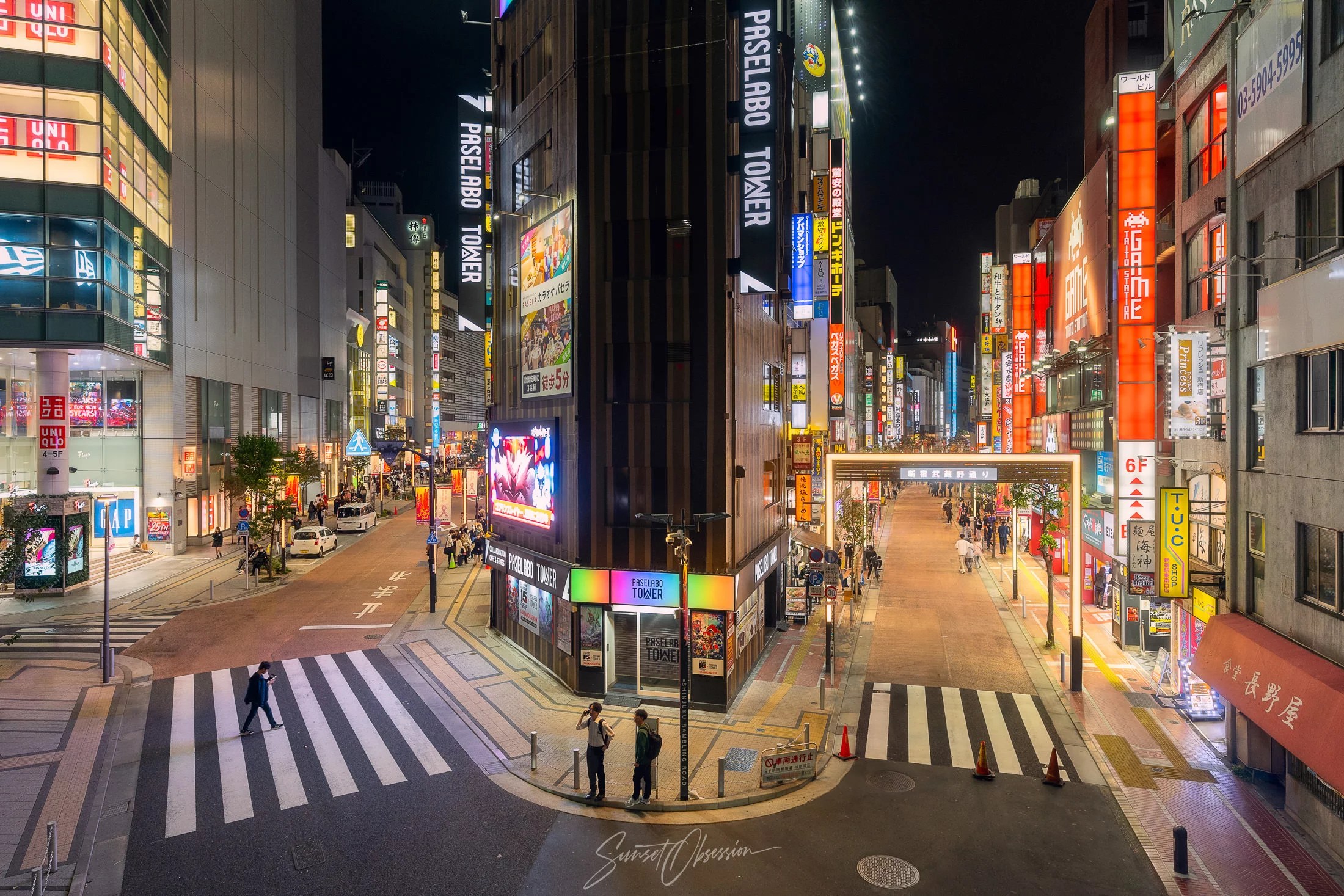
To me, Tokyo is a city that you should experience first and photograph second — whenever an opportunity presents itself (and it will, quite often). Otherwise, you would simply miss out on too much of what Tokyo has to offer.
In other words, get the shots you really want but generally, don’t hunt for photos. Instead, let them happen naturally as you’re exploring. There’s so much cool stuff to do, see, and experience in Tokyo that your camera will hardly be idle.
Leave that meticulous purposeful photography to the rest of Japan and enjoy Tokyo for what it is — a vibrant bustling metropolis that effortlessly blends new and old and showcases what modern Japan is all about.
Tokyo Photo Locations
Tokyo is immense. There are so many different ways to photograph it and such a variety of angles to try out that condensing all of it into a predetermined set of exact spots won’t do it any justice.
So instead, I’ll give a few ideas on what areas to explore. They are great for photography in their own right but also offer a chance to get creative and add your style to the equation.
Shinjuku
Shinjuku is Tokyo’s largest entertainment district and may sometimes feel like a separate city within Tokyo. Home to the world’s busiest train station, countless bars, restaurants, and karaoke clubs, it perfectly embodies the essence of an urban maze.
As a photography location, Shinjuku is most impressive at night, when it turns into a neon-lit wonderland, its streets awash with vibrant colors and electric energy. It’s that classic look that so many people associate with Tokyo.
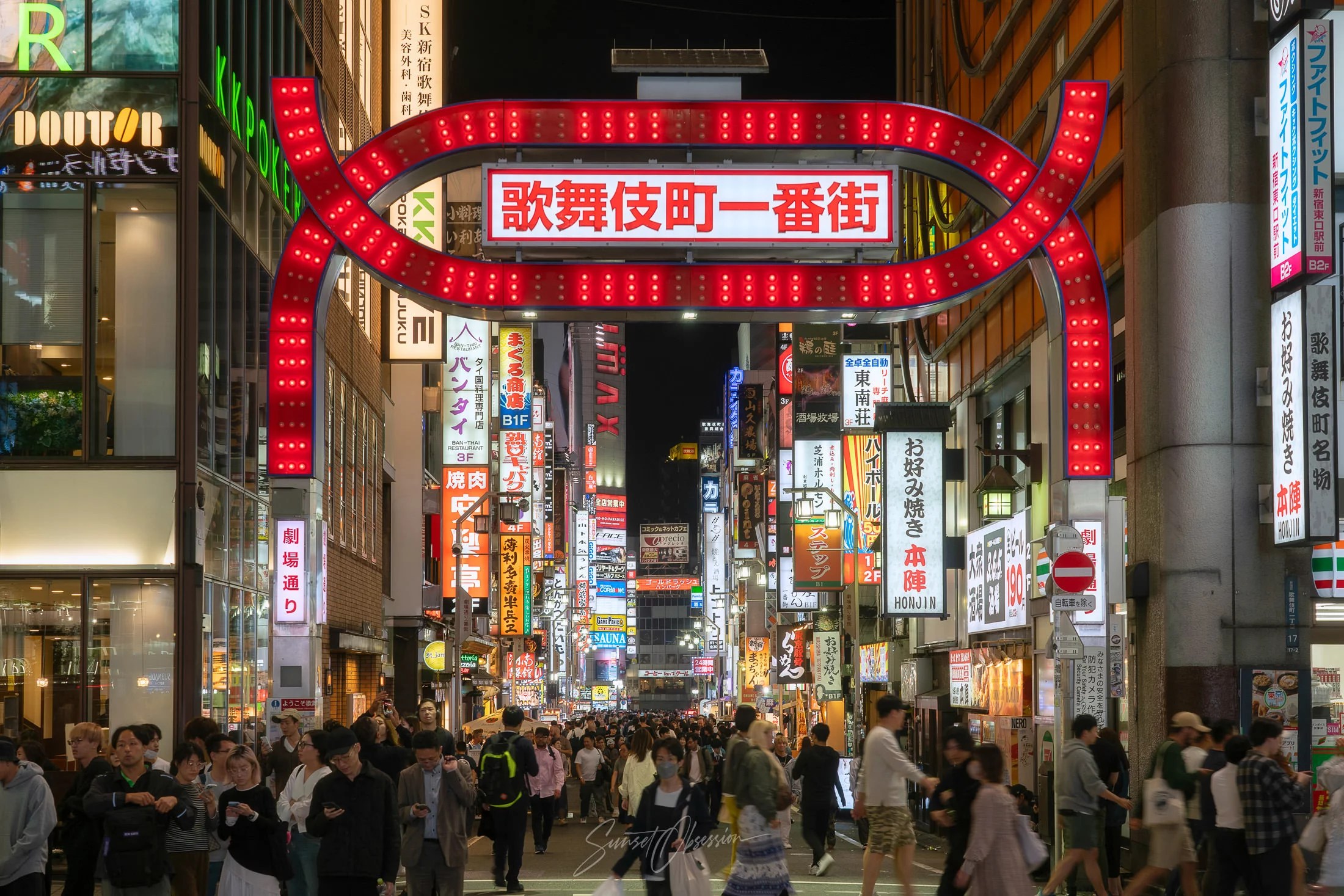
Photographing it isn’t necessarily straightforward, however. Shinjuku is extremely busy day and night. This means that getting a clean shot is almost impossible. And so is finding a spot for a tripod so that it doesn’t impede others. You will have to get creative.
Another thing to remember is that a large part of Shinjuku is also Tokyo’s red-light district. Photographing around the train station or on the main intersections and streets is fine and safe. But venturing deeper into the district with a camera at the ready might not be the brightest idea.
During the day, head to Shinjuku Gyoen National Garden, one of Tokyo’s largest and most popular parks. The contrast of nature against the backdrop of towering skyscrapers here feels similar to that of Central Park in New York but with a distinctly Japanese flair.
Shinjuku Gyoen is especially impressive during the cherry blossom season but can be a source of inspiration for photographers throughout the year.
Shibuya
Just south of Shinjuku, Shibuya is another famous ward of Tokyo that is well worth a visit. Not only is Shibuya a popular nightlife hub but also a hotspot for modern Japanese fashion and youth culture.
It’s here that you will find Harajuku, the famous center of Japan’s extreme teenage culture and fashion. Harajuku is known for its trendy shops, quirky cosplay stores, clothing boutiques, and — most importantly — eccentric characters, some of whom will be happy to pose for a photo.
Come here on a Sunday afternoon for some unmistakably Tokyo lifestyle photography. And while you’re at it, grab a cool T-shirt in one of the shops on Takeshita Street.
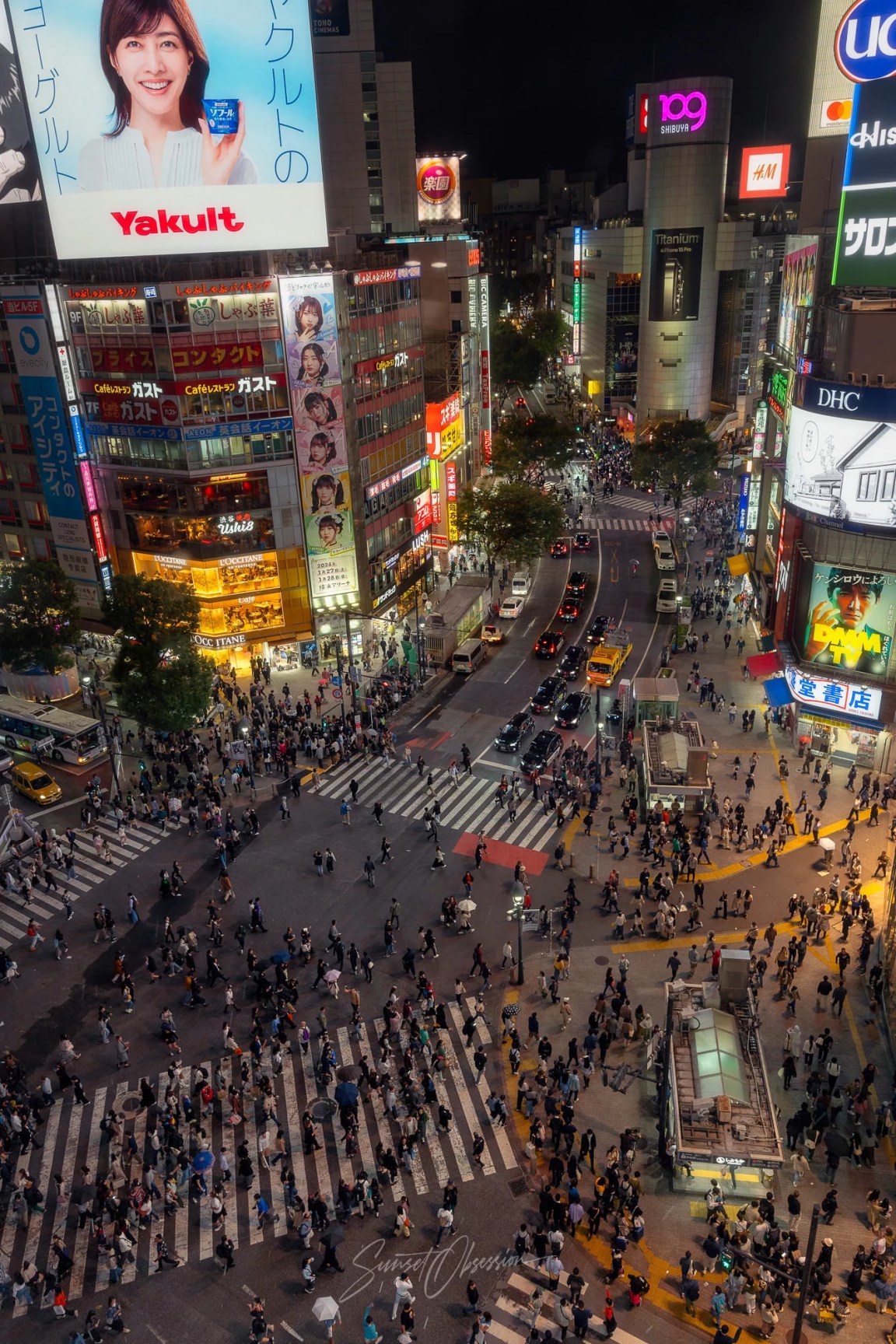
But of course, arguably the most iconic location in Shibuya is Shibuya Scramble, the world’s busiest pedestrian crossing. With as many as 3000 people crossing at a time, it’s a great place not only for photos but also time-lapses and videos.
There are a bunch of spots to photograph the Shibuya Scramble. Starting from the landmark Starbucks (although it has been recently suspended — hopefully temporarily) and to the 360° observation deck of Shibuya Sky.
And if that’s not enough, check out the colorful alley of Nonbei Yokocho at night or escape the crowds in the nearby Yoyogi Park. Both provide a nice shift of gears allowing you to capture a less-known (but certainly no less beautiful) side of Shibuya.
Taito
The eastern side of Tokyo is older and a little more laid back than its western counterpart. There are fewer skyscrapers here and it feels a bit more rustic. Or at least as close as it gets to that in Tokyo.
But that’s not to say it’s any less suitable for photography. Quite the opposite. The big star is Sensō-ji, an ancient Buddhist temple located in Asakusa, Taito ward. Tokyo’s oldest temple, Sensō-ji is known for its vibrant colors, impressive gates, and a five-storey pagoda.
During the day, Sensō-ji and the 200-meter-long shopping street in front of it are usually packed. You can capture people praying, shopping or just going about their business.
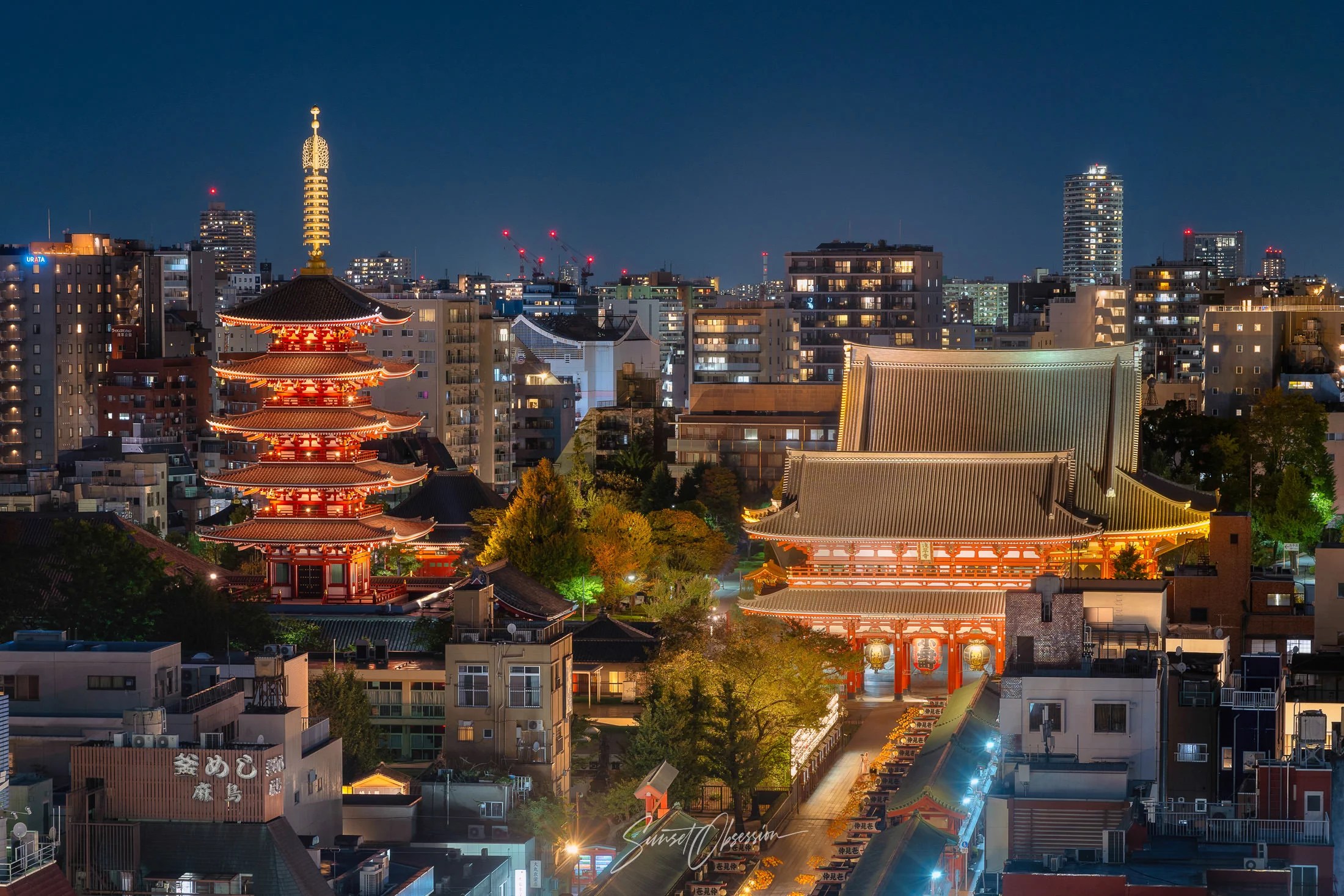
At night, it’s a different story. The shops close and there are fewer people around, creating a very different vibe. The temple is lit up and makes for an excellent subject against the backdrop of a dark sky.
But of course, there is much more to Taito than Sensō-ji. Ueno Park (the largest in Tokyo), Sumida Riverside Park, Ameya-Yokocho Market with its colorful crowd, and the artisan shops of the Kappabashi District are all worth a peek.
Imperial Palace
The Imperial Palace is situated in the middle of Tokyo and is the main residence of the Emperor of Japan. Although the palace and most surrounding gardens are closed to the public (except on rare occasions), what’s left is still enough for me to include it in this guide.
It’s not often in Tokyo that you see such vast distances as around the Imperial Palace. So if you want to relax a little and escape the usual business of Tokyo without leaving the city, the palace would be a good choice.
Photography-wise, the main attraction here is the view of the Seimon Ishibashi Bridge. It’s one of those quaint yet quintessentially Japanese compositions that you rarely see in Tokyo.
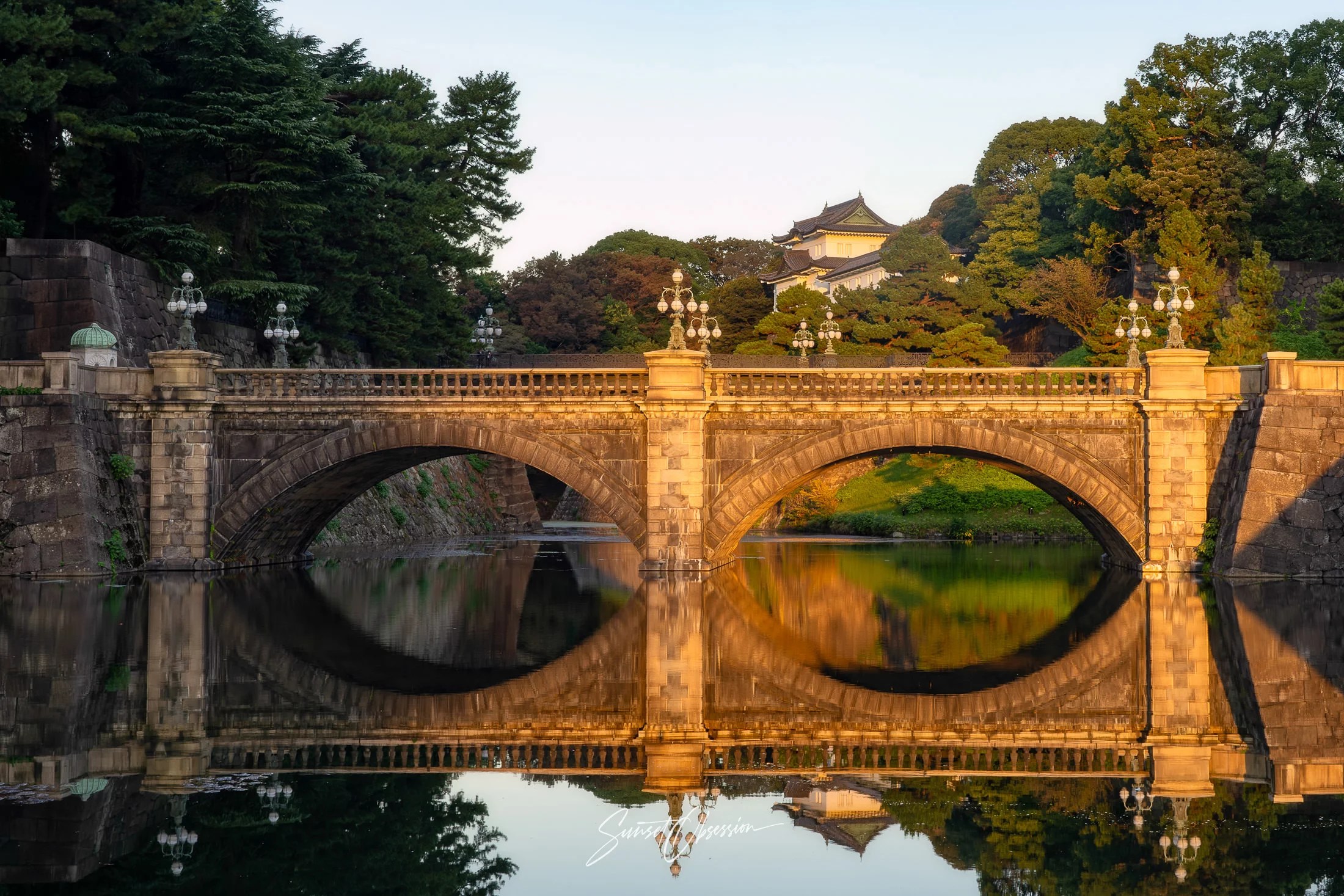
If you’re searching for a sunrise photography spot in Tokyo, look no further. On a windless day with the bridge reflecting beautifully in the water below and the first light painting the scene in bright golden, it doesn’t get much better than this.
And of course, feel free to visit the Imperial Palace East Gardens afterward. It’s the only part of the complex open to the public and is well worth exploring if you have a little extra time.
Observations Decks
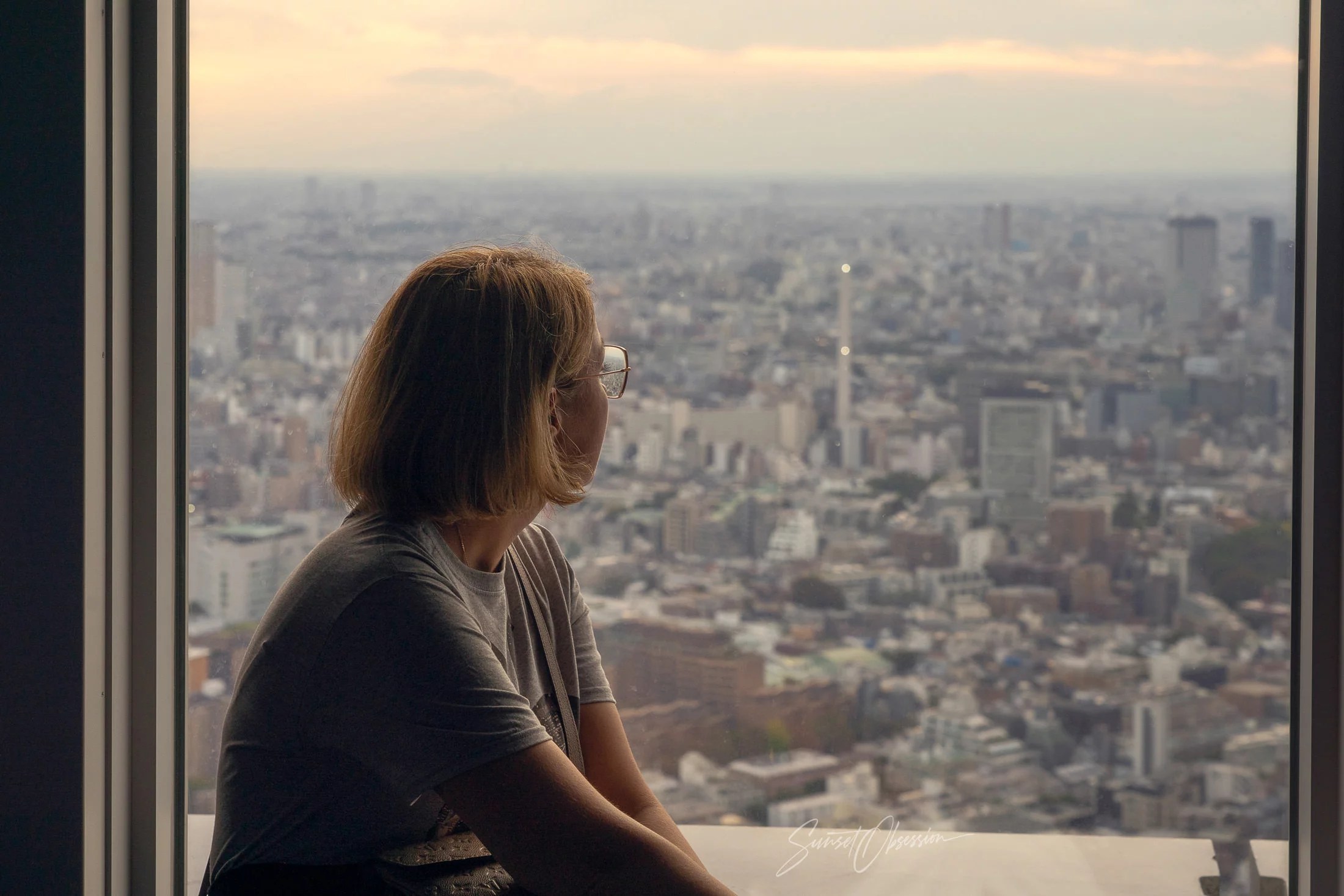
Tokyo is huge. Even New York doesn’t compare in my opinion. Tokyo just stretches in every direction as far as an eye can see. It’s an unbelievable sight. To witness it for yourself (and capture it on camera) head to one of Tokyo’s observation decks.
Of which there are many. Shibuya Sky, Tokyo Skytree, and Roppongi Hills are some of the most famous but there are others. Some are even free, like the Bunkyo Civic Center Observation Lounge. So you have many options.
Pick whichever you like (or maybe several?) and book a time slot an hour or two before the sunset. This will give you a perfect opportunity to capture how Tokyo transitions from the golden into the blue hour and the night. It’s pretty magical.
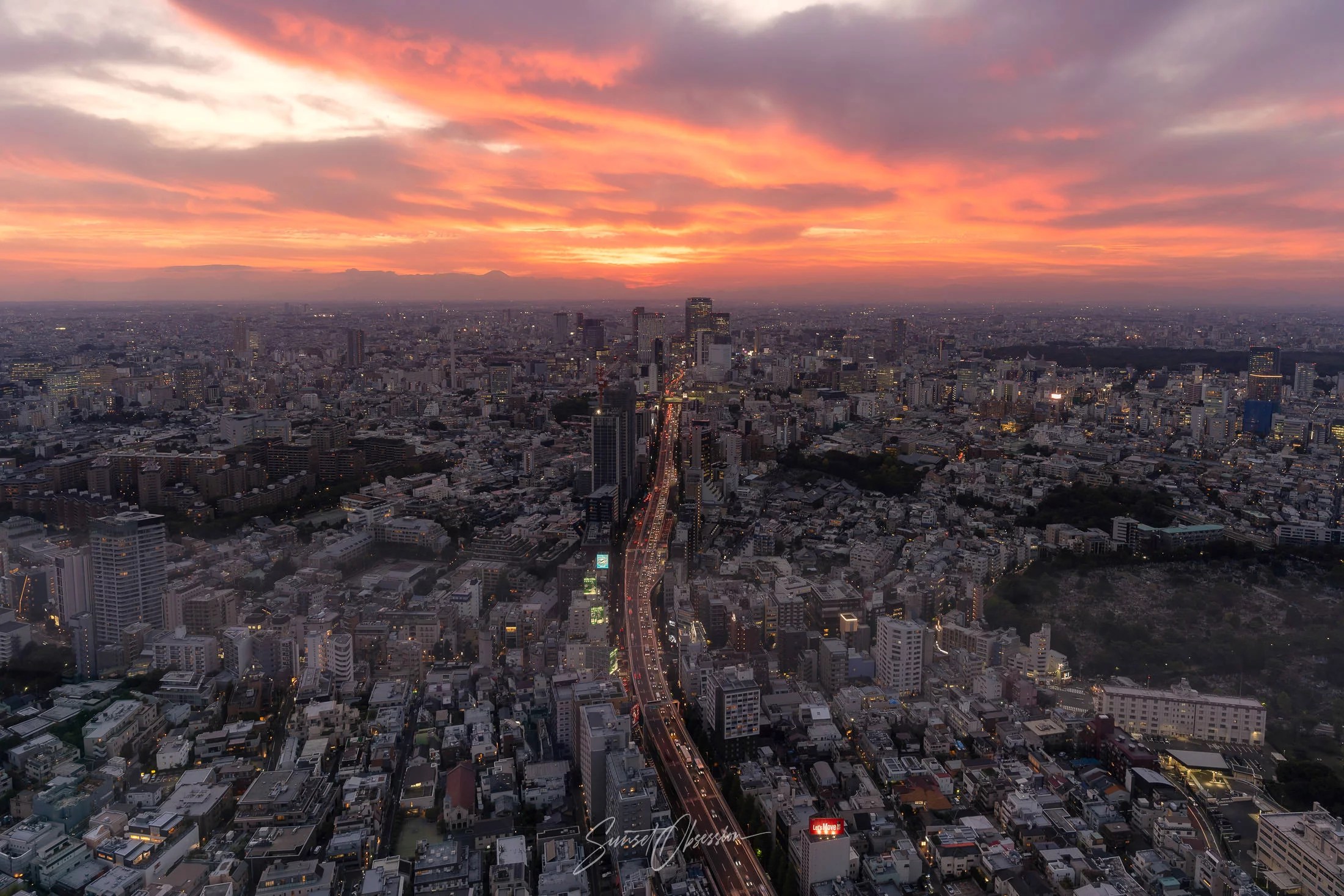
If you want to bring a tripod I found the rules to be quite inconsistent. Sometimes they state that tripods aren’t allowed but then nobody objects. Other times, it’s the opposite. In my experience, most decks don’t seem to mind as long as you don’t get in the way of others.
At any rate, where it’s not allowed, there are always lockers available to store your stuff. So my recommendation would be to bring the tripod and see how it plays out. I was able to use mine in Shibuya Sky and Tokyo Skytree without issues. Not in Roppongi Hills though.
As for my personal favorite observation deck in Tokyo, I would likely go with Tokyo Skytree. The views are awesome and the overall package — shops, restaurants, entertainment — is second to none.
Odaiba
Odaiba is a large artificial island in Tokyo Bay and potentially the most underrated photo location in Tokyo. Originally built for defensive purposes, it is currently a tourist and leisure zone. And a pretty cool one at that!
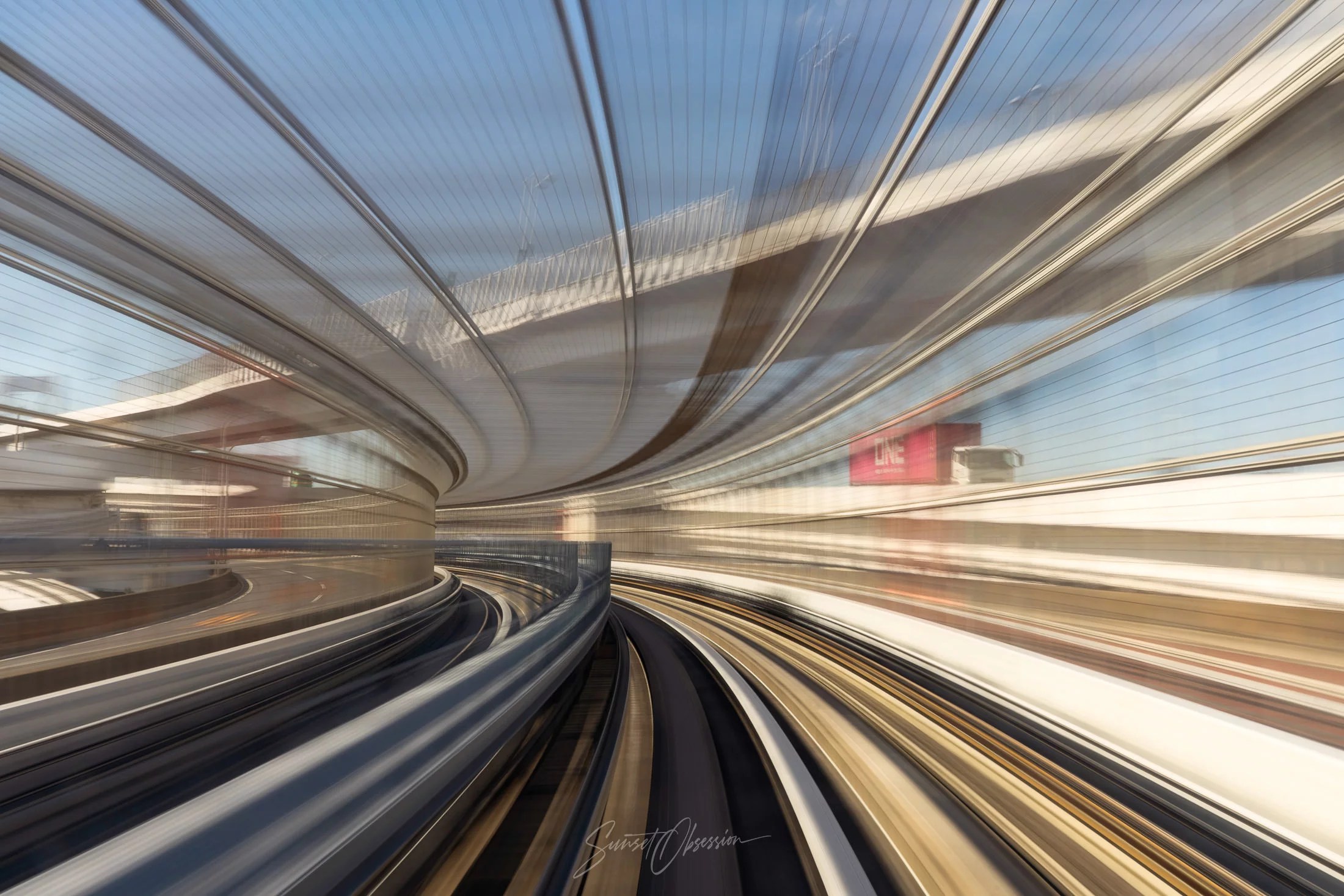
Odaiba is very different from the rest of Tokyo. It was envisioned to be a futuristic district and the intent shows. Vast open spaces, numerous green areas, elevated walkways, and unusual buildings make it feel almost like a sci-fi movie set.

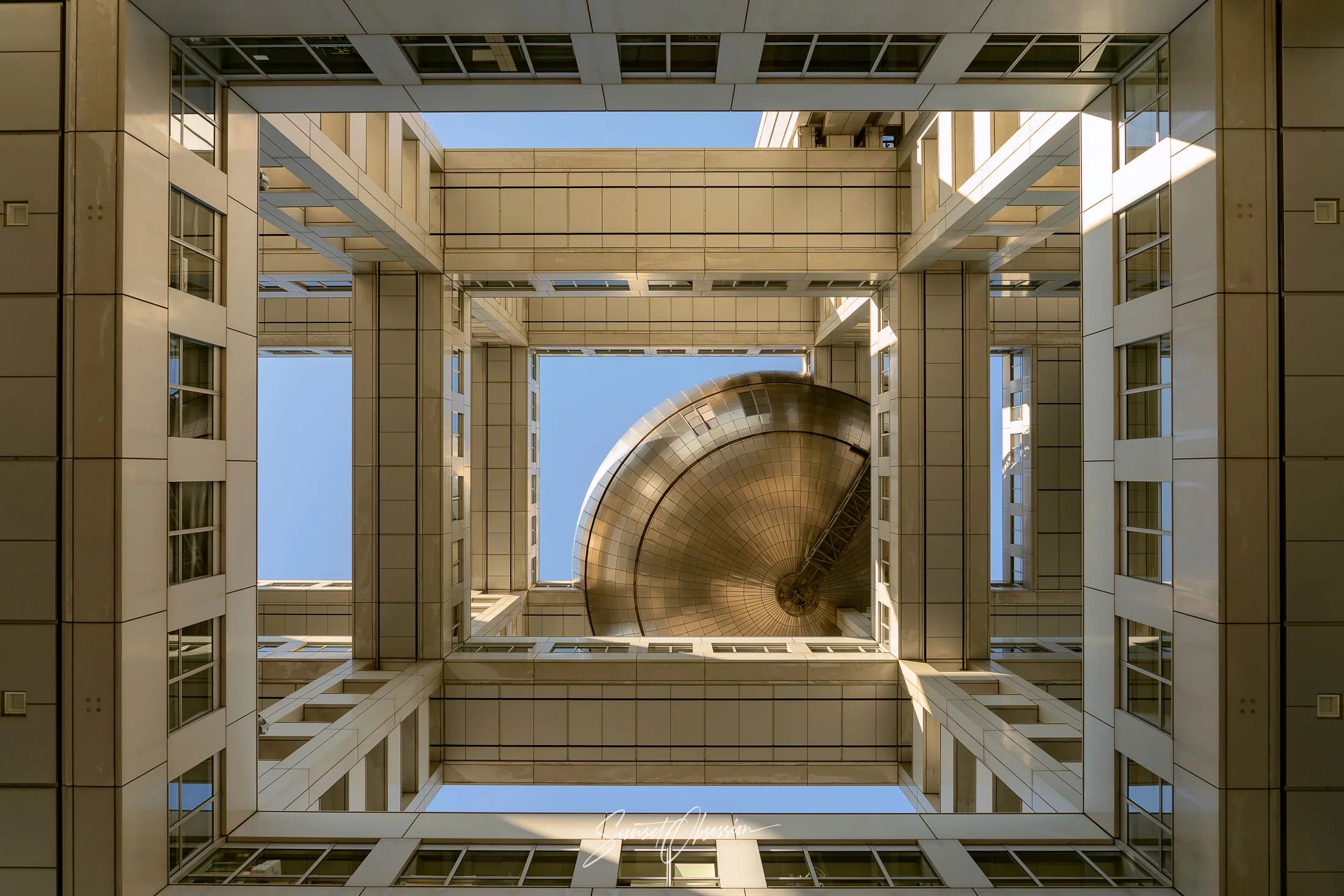
It’s an interesting area to simply explore but there’s plenty here for photographers as well. From the futuristic-looking Fuji Television headquarters to the full-size Unicorn Gundam statue to Tokyo’s own Statue of Liberty, there is no shortage of unique things to shoot in Odaiba.
If you can spare half a day I highly recommend a quick trip to Odaiba. It may not be the typical Tokyo you expect but that’s what makes it so unique and exciting.
Tokyo Photography Tips
Now that you have some clues as to where to shoot in Tokyo, let’s look at the how. Here are some of my takeaways and tips that I think might be useful.
Don’t Plan Too Much
As any photographer knows, planning is key. While luck is certainly a factor, more often than not behind every great image, there’s lots of planning and preparation. But the advice I want to give you for Tokyo is surprisingly the opposite.
Normally, when I plan my photo trips, I have a clear understanding of where I shoot at sunrise and sunset, and what I do during the day. In other words, I pick my most wanted photo locations and build my itinerary around them.
But in Tokyo, I suggest you do it the other way around. Plan your time around the activities you want to do and things you want to see and take photos as you go. Especially if this is your first time in Japan.
That way you won’t miss out on all the experiences and cool things Tokyo has in store and still come home with some incredible images. I’m not saying you should ignore all of the famous photo locations. Just don’t make your entire visit revolve around those.
Look For Compositions Everywhere
Tokyo is a living city packed with unique photo opportunities no matter where you go. So while there, don’t separate photography from leisurely city exploration. Instead, try doing both at the same time.
Have your camera with you wherever you are and always look for a good composition. You never know when you’ll stumble upon a marvelous view, an interesting street scene, or some intriguing aspect of Japanese culture. Be ready.
Be Willing to Try Something New
Tokyo has many faces. With its ancient temples, busy finance districts, lush parks, and narrow pedestrian lanes packed with bars where locals gather after work, Tokyo is full of exciting stories to tell through your lens.
So be prepared to switch your photography hats and try new genres. If you are mainly a landscape photographer, give street photography a go, and vice versa. Or perhaps experiment with new techniques that you haven’t used before.
Tokyo is very diverse and fluid. Practice the same in your photography. Use this dynamic environment to push your creative boundaries, search for new challenges, and rediscover your photographic style.
Bring Your Lightest Tripod
This is a more down-to-earth tip but very important. One thing I struggled a lot with in Tokyo was the tripod. Each time I was leaving my hotel room, I was inevitably faced with a dilemma. Take it with me and carry it around for hours or come pick it up later when I need it?
Tripod is a pain to lug around. It’s big, heavy, bulky, and often a nuisance in the Tokyo subway, especially during rush hour. Unfortunately, while you don’t need it most of the day, it’s indispensable when shooting at night.
Then again, if you leave it in the room, you’ll need to make a trip back to the hotel just to pick it up. This would take too long and is rarely practical. So what’s the solution here?
It might not be a perfect one but if you’re anything like me and would rather punish your back than miss a good photo, bring (or invest in) a light compact travel tripod. Believe me, it’ll make your life in Tokyo much easier.
Enjoy the City
As you stroll the vibrant streets with your camera, remember that Tokyo is more than just a collection of photographs. It is brimming with activities, experiences, and moments deserving to be lived, not just viewed through a lens.
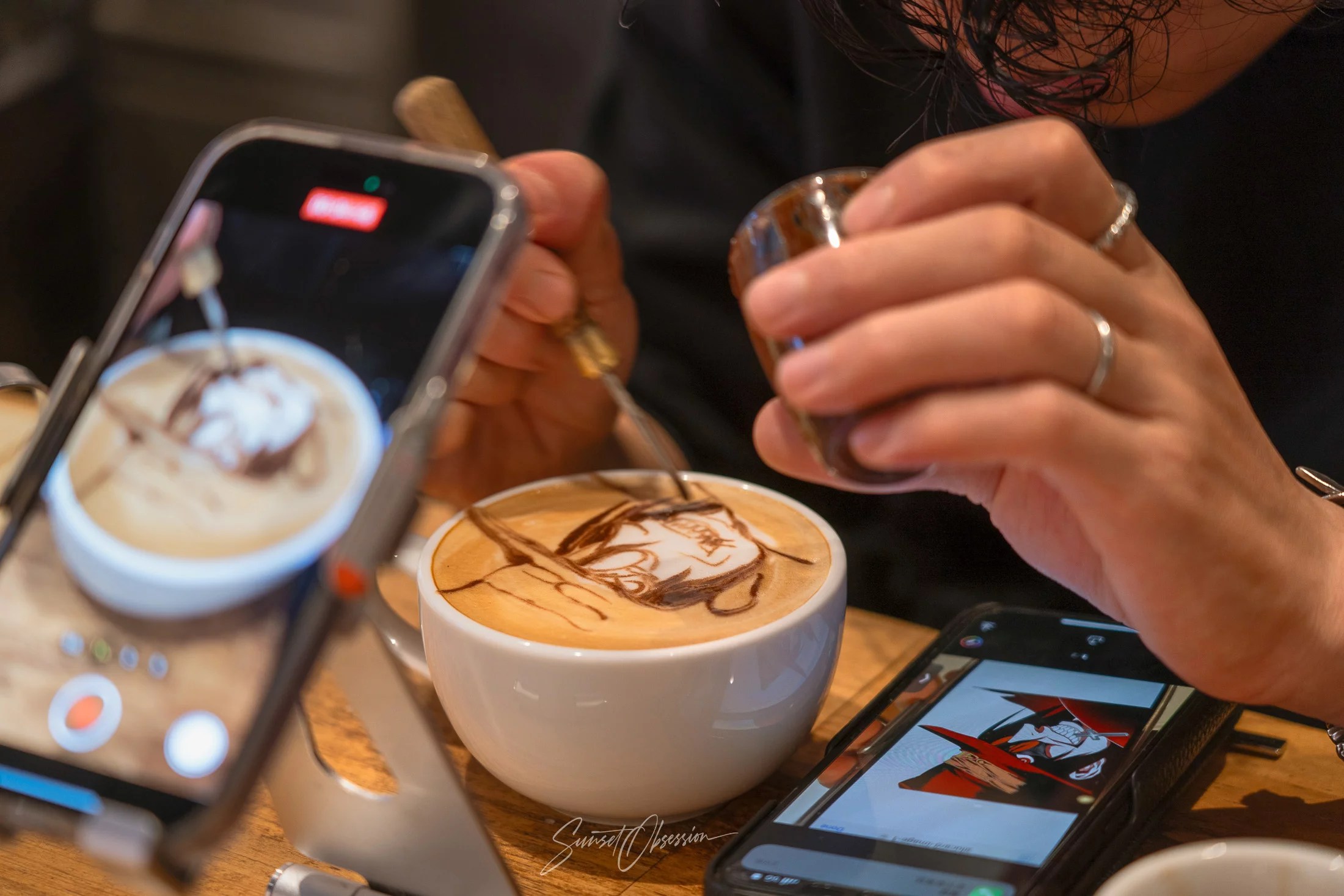
As I already said, Tokyo is a place to experience first and photograph second. While the urge to document every moment of your Tokyo adventure is understandable, don’t forget to put the camera down occasionally and simply enjoy it.
General Travel Tips for Tokyo
By now I have hopefully convinced you that Tokyo is a fantastic travel and photography destination. If so, here are a few general tips on how to plan and organize your trip there.
When to Go to Tokyo
Tokyo never stops or takes a break, meaning there’s no bad month to visit. There is always something to do or see, and all the major attractions are available throughout the year.
That said, arguably the two most beautiful seasons would be the cherry blossoms in spring and autumn foliage in autumn. Both are short-lived but incredibly gorgeous. If you can be in Tokyo when it happens, you’re in luck.
Not surprisingly, that’s also when Tokyo (and Japan in general) gets most crowded and expensive. If you’d rather avoid the madness, consider planning your visit just before or after these peak seasons. It’s a trade-off but one that might be worth making.
Summers in Tokyo are hot and sticky but packed with festivals and fireworks. It’s also the only season you can officially climb the nearby Mt. Fuji.
Winters are colder but still relatively mild and mostly dry with crispy clear air. It’s an excellent choice if you want to enjoy the spectacular Christmas lights and illuminations that give Tokyo a very unusual yet stunning look.
How Long to Stay in Tokyo
Tokyo is immense (I seem to be saying this a lot but it’s true). So as a bare minimum, I recommend 3 full days. That is unless you plan on doing any trips out of the city. We stayed for 5 (using one of them to go to Hakone) and it still didn’t feel like enough.
So if you can spare it, 5 days or more would be my suggested duration. This might sound like a lot if you’re organizing your first trip to Japan and trying to cram in as much as possible. Trust me, I’ve been there.
But also trust me when I say that you won’t regret it. Tokyo is an astonishing place whether or not photography is your main focus. And if you ever get bored, Nikko, Hakone, and Kamakura are all worthy of a day trip out of Tokyo.
Where to Base Yourself in Tokyo
Uff, this is a tough one. There is no definitive answer here as no matter where you end up you’ll still need to travel across Tokyo. Ultimately, I feel this comes down to choosing either the west side (Shinjuku, Shibuya) or the east side (Ueno, Asakusa).
Both are close to some major attractions and remarkable photo locations. Shinjuku and Shibuya are more posh and modern yet hectic and more expensive. The Ueno and Asakusa area is more rustic and affordable.
Many websites would tell you to pick Shinjuku as the best area for first-timers. However, I don’t necessarily agree. I stayed in Ueno on my first visit to Tokyo and Shinjuku on my second.
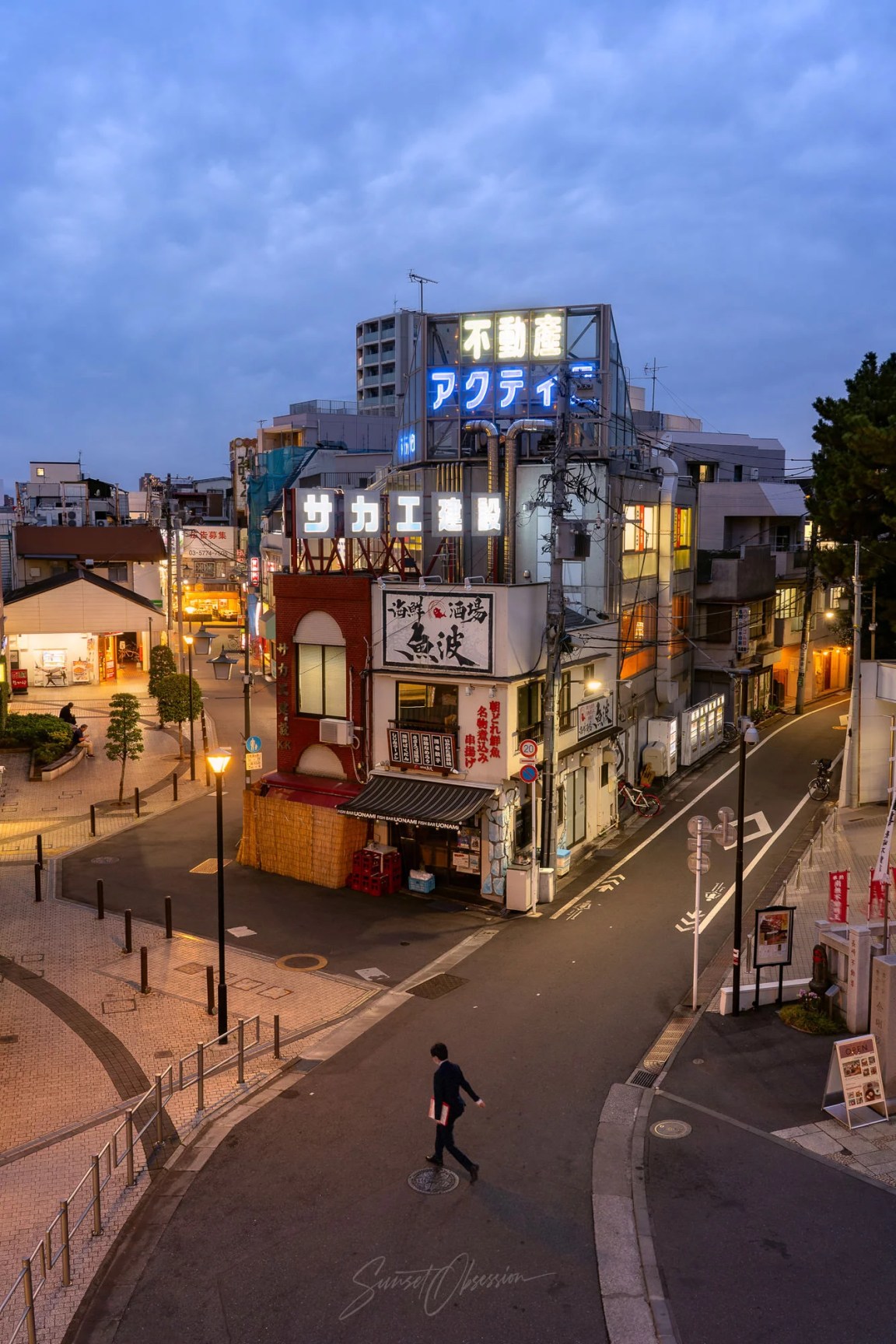
I prefered Shinjuku ever so slightly but both were decent options. As already said, you’ll be using the Tokyo subway a lot in either case. So I suggest picking whichever suits your itinerary based on how long you are in Tokyo and what you wish to see most.
Tokyo Photography Gear
When it comes to photography gear, the number one rule is to pack the minimum you can get away with. Lugging a heavy backpack for hours around Tokyo sucks. Believe me, I know.
With that in mind, here’s a quick list of items that I recommend.
- A camera of your choice — any relatively modern one will do just fine. I still use my old but reliable Sony A7III and have no issues with it.
- A versatile walk-around lens such as 24-105 mm. It’s my favorite lens when traveling because it covers a variety of focal lengths and aces most situations. It is often the only lens I take If I want to save weight.
- A wide-angle zoom such as 16-35 mm is another lens I almost always have with me. I sure needed it on a few occasions in Tokyo, especially around Shinjuku and Shibuya.
- A tripod if you intend to photograph at night or during the blue hour. Ideally, one that is light and compact.
- Extra batteries (charged) and spare memory cards. You don’t want to run out of juice or memory while you’re out and about in Tokyo.
Final Thoughts
Tokyo is a very special city. As this article was mainly aimed at photographers, I left a lot of what makes Tokyo so unique out. The cleanliness, the game arcades, the craziness of Akihabara, the food, and the culture are all part of it.
The bottom line is that Tokyo is a destination I recommend anyone visit, whether you’re into photography or not. Much like Japan in general, it is simply mind-blowing and full of surprises and unexpected discoveries.
And if you never go anywhere without your camera, worry not. You won’t be disappointed. There is plenty to shoot in Tokyo in almost any photography genre imaginable.
I hope you enjoyed this photography guide to Tokyo and got something useful out of it. If so, let me know in the comments and share it with your friends and on social media. Happy shooting in Tokyo!
Before you go, feel free to check out my other articles about Japan and beyond. There’s lots of valuable info there to help you prepare for the trip. Here are a few suggestions of mine:
- Kyoto Photography Guide: True Gem or Worst Nightmare?
- Photography Guide to Kanazawa: Capturing Japan’s Hidden Gem
- Best Landscape Photography Locations in Patagonia
- Photography Guide to Scotland: How to Get Amazing Images
- Photography Guide to Madeira: Best Locations, Tips, and More
- A Land of Wonders: 10 Great Reasons to Travel to Slovenia
If you enjoyed this content, you can support me by treating me to a glass of ice-cold beer using a button below or joining my community on Patreon. Cheers, you’re a legend!

And of course, visit our Facebook page or follow me on Twitter and Instagram to get notified whenever I publish something new.
With that, happy travels and let’s see each other soon!
*This post contains Amazon affiliate links. I might get a small commission for purchases made through them.
